
What a Criminal Lawyer Can Do for You After an Arrest
An arrest can be an overwhelming and disorienting experience for anyone. Whether an individual faces allegations involving a traffic infraction, a serious allegation, or impaired driving, the moments immediately following police contact often carry significant stress and confusion. Knowing what steps to take and understanding the immediate impact of professional legal guidance can fundamentally alter the trajectory of a case. Seeking qualified assistance as early as possible provides structure, clarity, and protection during a complex judicial process. Engaging a criminal lawyer ensures that constitutional rights remain protected while establishing a proactive defense strategy for all forthcoming proceedings.
Protecting Constitutional Rights After an Arrest
Explaining Fundamental Rights to the Accused
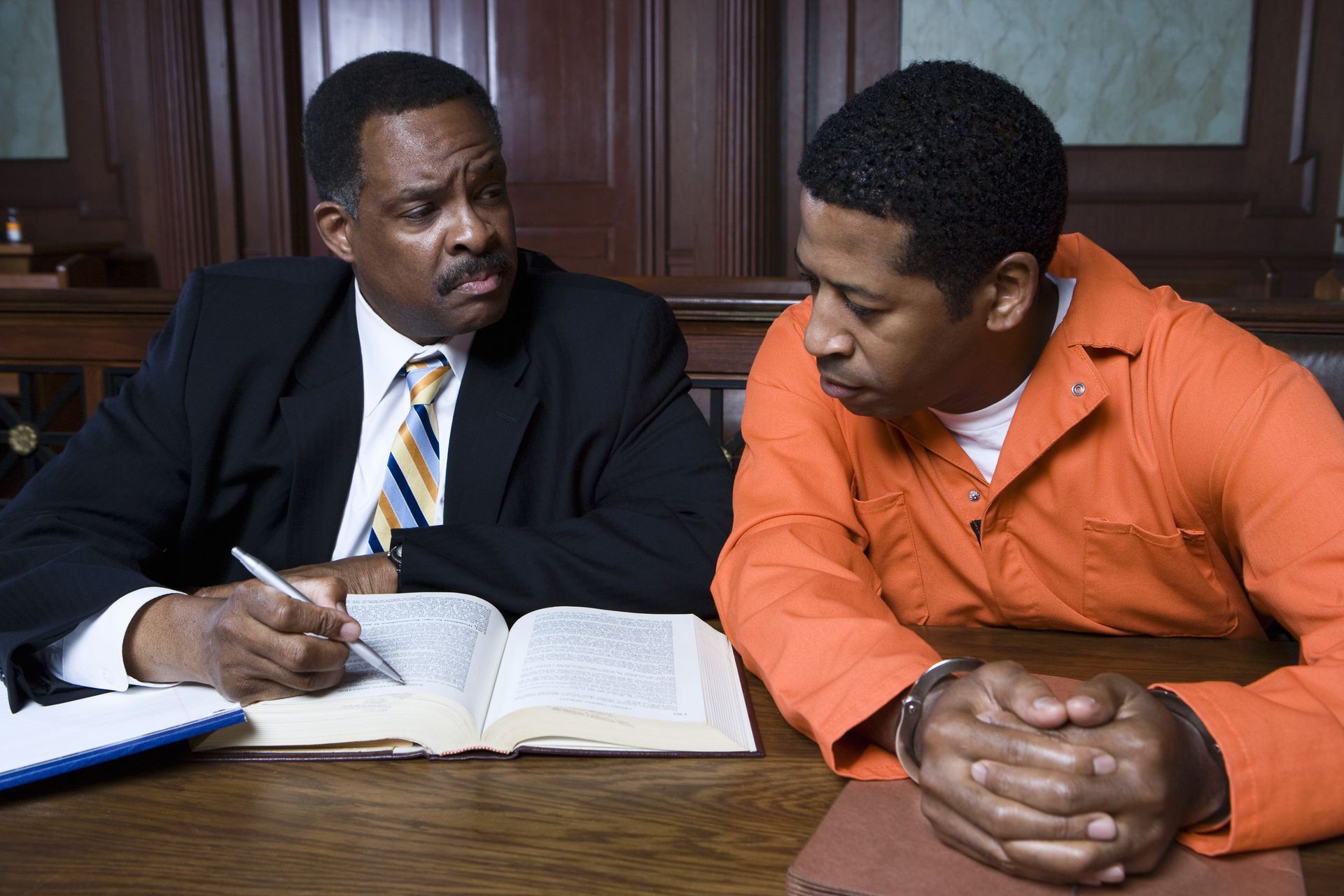
Immediately following an arrest, individuals retain critical constitutional protections, including the right to remain silent and the right to legal representation. Law enforcement officers are required to inform individuals of these rights during custody, yet interpreting how and when to invoke them under extreme pressure can prove difficult. A criminal lawyer explains these protections clearly, advising clients against making potentially damaging self-incriminating statements to investigators or arresting officers during questioning.
Managing Communications With Law Enforcement Officials
Interrogations by law enforcement officers are intentionally structured to gather incriminating evidence for prosecution. Without legal counsel present, individuals may unintentionally offer statements, clarifications, or context that prosecutors can later use against them in court. Having a legal representative handle all communications ensures that answers are handled appropriately, preventing misunderstandings and ensuring that law enforcement authorities strictly respect statutory boundaries and constitutional rights.
Challenging Unlawful Arrests and Search Procedures
The Fourth Amendment protects citizens against unreasonable searches and seizures conducted by law enforcement authorities. If officers conduct a search without a valid warrant, consent, or probable cause, any physical evidence or statements obtained during that search may be subject to legal exclusion. An experienced legal advocate thoroughly investigates the circumstances surrounding the initial stop and detention, filing formal pre-trial motions to suppress evidence whenever law enforcement officers commit procedural violations.
Evaluating Evidence and Formulating Defense Options
Examining Police Reports and Physical Evidence
Building an effective defense strategy begins with a meticulous review of the state's evidence. When analyzing complex police documentation, a criminal lawyer examines officer body camera footage, arrest logs, breathalyzer calibration records, and witness statements. In matters involving traffic defense or allegations of driving under the influence, minor errors in standardized testing or law enforcement protocols can significantly weaken the state's case. Identifying factual discrepancies early on creates critical leverage for defense preparation.
Assessing the Strength of State Allegations
Not all criminal charges carry equal evidentiary support. A dedicated legal advocate assesses whether the prosecution possesses sufficient, legally admissible evidence to meet the high burden of proof beyond a reasonable doubt. By identifying gaps in physical evidence, procedural errors, or inconsistencies in witness testimony, defense counsel can actively advocate for reduced charges or complete case dismissals prior to formal court hearings.
Structuring Tailored Strategies for Unique Charges
Every legal matter presents distinct factual and legal circumstances. Whether defending against a routine traffic infraction or navigating complex criminal defense allegations, defense counsel tailors legal strategies to match the specific facts of the situation. Customized strategies may involve gathering independent witness statements, consulting technical experts, reviewing video surveillance, or presenting mitigating factors to illustrate the client's perspective effectively.
Navigating Pre-Trial Negotiations and Resolving Cases
Exploring Alternatives to Formal Court Trials
Many individuals assume that an arrest automatically leads to a lengthy courtroom trial. However, according to Nolo, only about 2-3% of criminal cases ultimately reach a trial. The overwhelming majority of legal matters are resolved through pre-trial negotiations, diversionary options, or negotiated plea agreements. A criminal lawyer works diligently during the pre-trial phase to explore alternative resolutions that avoid the financial burden, time commitment, and inherent unpredictability of a full courtroom trial.
Negotiating Reductions in Charges or Penalties
When a complete dismissal of charges is unavailable, skilled negotiation becomes essential to minimizing long-term consequences. Defense attorneys negotiate directly with prosecutors to reduce severe charges to lesser offenses, lower potential monetary fines, or secure non-custodial penalties such as probation or community service. In matters involving DUI/DWI defense, effective advocacy may help preserve essential driving privileges or secure restricted driving licenses for occupational purposes.
Presenting Mitigating Circumstances to Prosecutors
Prosecuting attorneys consider various subjective and objective factors when deciding how to handle pending charges. Defense counsel gathers and presents compelling mitigating information, such as clean prior criminal records, steady employment history, active community involvement, or voluntary participation in educational or rehabilitation programs. Demonstrating positive background factors often encourages prosecutors to offer significantly more favorable pre-trial resolutions.
Preparing for Court and Representing Clients
Managing Court Deadlines and Procedural Filings
The judicial system operates under strict statutory rules, evidentiary guidelines, and rigid filing deadlines. Missing a court filing deadline or failing to submit required procedural motions can compromise an individual's legal standing and jeopardize their defense. Legal professionals manage all administrative and procedural details, ensuring that legal paperwork, formal notices, discovery requests, and evidentiary motions are filed accurately and on schedule.
Advocating for Clients During Judicial Proceedings
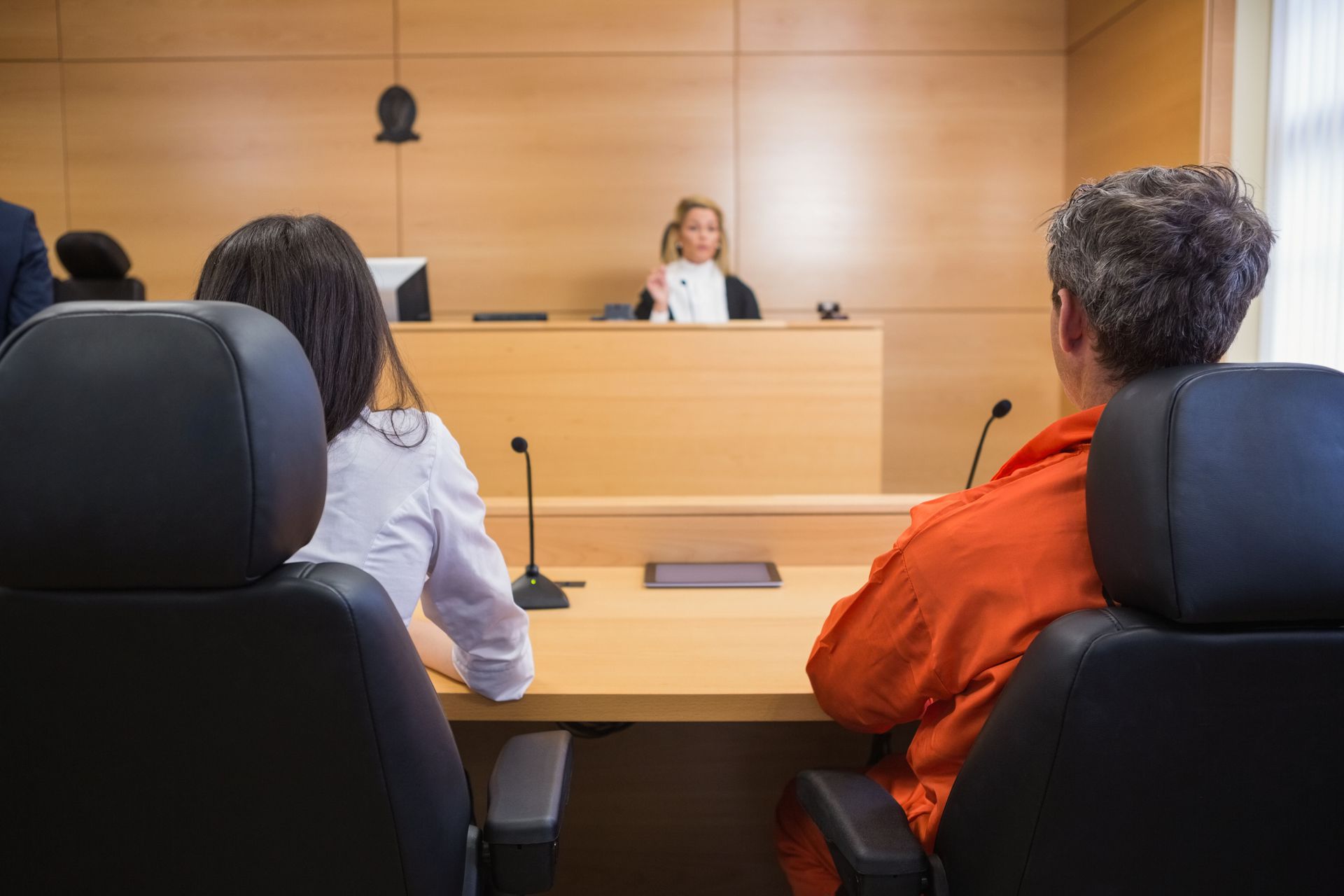
If a case proceeds to formal court hearings, pre-trial conferences, or a trial, having a knowledgeable representative in the courtroom is critical. A criminal lawyer formulates structured arguments, cross-examines prosecution witnesses, challenges questionable evidence, and introduces defense witnesses before the judge or jury. Professional courtroom representation ensures that judicial proceedings remain fair and that the accused receives robust, assertive advocacy at every stage.
Securing Appropriate Post-Trial and Post-Plea Outcomes
Following a court verdict or negotiated plea agreement, legal counsel continues to support clients through the sentencing phase and subsequent compliance procedures. During this final phase, a criminal lawyer advocates for minimized statutory penalties, manageable payment schedules for court costs, or enrollment in alternative rehabilitative programs instead of lengthier custodial sentences. Continued legal guidance helps individuals fulfill all court obligations smoothly and move forward with their lives.
Accessing Legal Support and Taking Immediate Action
Recognizing the Value of Immediate Legal Support
Reaching out for legal assistance promptly after an arrest provides the most effective opportunity to build a solid defense strategy. Consulting a criminal lawyer immediately after detention allows for swift intervention to secure perishable evidence, interview witnesses while memories remain fresh, and communicate with state prosecutors before formal charging decisions are finalized. Having access to legal professionals who provide calls answered 24/7 ensures that individuals receive guidance when urgent legal situations arise outside standard business hours.
Utilizing Initial Consultations and Flexible Options
Understanding legal options should not feel overwhelming or out of reach. Many law practices offer free consultations to help individuals evaluate their legal standing without initial financial pressure. Furthermore, firms that provide payment plans make formal legal representation accessible, allowing clients to receive thorough defense services while managing their household finances responsibly.
Navigating the criminal justice system after an arrest requires thorough planning, a deep knowledge of statutory rules, and clear communication. From protecting constitutional rights during initial police interrogations to negotiating pre-trial settlements, challenging prosecution evidence, or providing courtroom advocacy, a criminal lawyer serves as an indispensable guide throughout the entire legal process. Whether individuals face DUI/DWI defense matters, general criminal defense allegations, or traffic defense violations, seeking early legal intervention helps safeguard individual rights and achieve an optimal resolution. Taking proactive legal action immediately following an arrest ensures that constitutional protections are upheld and future opportunities remain secure. If you are in need of a lawyer, contact Law Offices of Jason Pollack, Esq today. We answer calls 24/7.











Share On: